Why autumn is the best season to shoot outdoor brand content
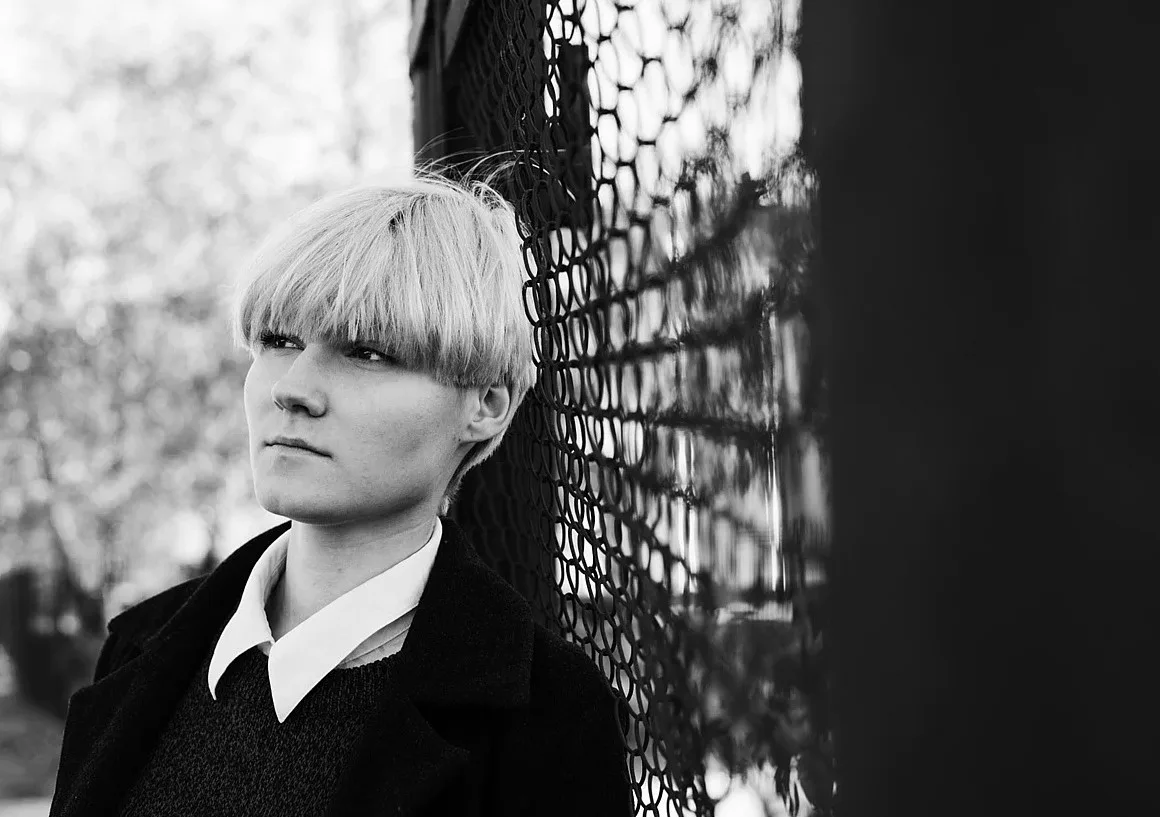
Autumn is not a compromise season for outdoor photography — it is the one with the most useful light. From October the sun sits lower in the sky, and the warm light of the late afternoon lasts noticeably longer than the narrow window photographers chase in July. For brand content specifically, that extended warmth changes what is possible on a shoot day. Scheduling and location decisions that would be marginal in summer become decisive in autumn, and the gap between a campaign that looks considered and one that looks generic often comes down to understanding exactly why.
What the light is actually doing in October and November
From late September onward, the sun traces a lower arc across the sky, and the atmosphere it travels through at that angle is thicker. The scattering effect this produces strips out a greater proportion of blue wavelengths, leaving the light warmer and softer even at midday. A shoot that in June would require diffusion panels and reflectors to avoid harsh contrast can, in October, be run with almost no grip equipment at all. That operational simplicity matters: fewer people, less kit, more flexibility to move between locations in a single day.
The diffuse quality also holds for longer into the afternoon. In practice this means a brand shoot scheduled from 10am to 4pm in October captures usable ambient light across that entire window, whereas the same schedule in June would waste the midday hours entirely. Photographers working with apparel or lifestyle brands know this intuitively, but it rarely makes it into the brief clients receive — which is why campaigns end up being planned around studio availability rather than the outdoor conditions that would serve them better.
Why colour grading in post cannot substitute for the real thing
A reasonable objection to the above is that a skilled colourist can warm any footage or stills set in post-production. This is true up to a point. What colour grading cannot replicate is the way autumn light interacts with physical surfaces: the translucency of a thin fabric backlit by low sun, the way matt leather reads differently when ambient light wraps around it from a low angle, the colour temperature variation across a single frame when direct and reflected light coexist at 15 degrees of solar elevation. These are optical events, not colour shifts, and they are the details that read as authentic to an audience even when that audience cannot name what they are responding to.
Studio setups with tungsten or LED panels can approximate warmth, but they produce light from a fixed point at a fixed height. Outdoor autumn light arrives from a low point on the horizon and fills the scene from every reflective surface simultaneously — ground, foliage, building facades. The result is a wrap and a shadow quality that no single-source or even multi-source studio rig reproduces with the same consistency. Reshooting autumn campaign material in a winter studio rarely reproduces what the original outdoor frames captured.
Location scouting in autumn: what to look for and what to ignore
The instinct when scouting for autumn content is to seek out dramatic foliage — the kinds of locations that appear on every agency mood board come September. This is usually the wrong priority. Foliage is a background element; it reads as texture and colour rather than as a specific place, and it dates the work immediately to a single-week window when peak colour occurs. More durable locations are those that offer good low-angle light exposure and interesting surface variety: stone or concrete facades that catch directional warmth, open spaces without tall obstructions to the south, or water features that act as natural reflectors.
The practical scouting process for an autumn campaign should happen in September, not the week before the shoot. The goal is to visit candidate locations at the same time of day the shoot is planned, and to observe where the light falls, how long it lasts, and whether any obstructions — trees, neighbouring buildings, scaffolding — are likely to change between the scout and the shoot date. In cities with a high density of construction activity, a location that is open in September can be partially blocked by hoarding in November. A two-visit scout, once in September and once in late October, is the most reliable way to avoid that problem.
Weather contingency is often underplanned. Overcast autumn days are not failures — diffuse cloud cover in October produces a large, even light source that eliminates shadows entirely and is particularly well-suited to product-focused content where surface detail matters more than mood. Building a one-day weather buffer into the shoot schedule, rather than treating the booked date as fixed, is the single most effective risk management step available to a production team.
The locations that hold up across a full autumn campaign are rarely the ones that look best on a September mood board.
Scheduling the shoot day: specific timing decisions that change outcomes
In Tokyo in mid-October, solar noon falls around 11:30 JST and the sun reaches roughly 45 degrees of elevation, against more than 75 degrees in July. This means the midday light is already softer and warmer than it is in summer, and it remains broadly usable from around 9:30am to 3:30pm. The practical implication is that a four-hour shoot window can start later than a summer equivalent, allowing for more preparation time in the morning without the pressure of chasing a narrow light window.
For brands working with talent — whether that means a named face or a model — this later start reduces the demand on hair and makeup timelines, which have a direct effect on the number of looks achievable in a day. A shoot that in June might deliver three outfit changes in a viable window can deliver four or five in October, with no increase in crew hours. That is a meaningful content volume difference for brands producing seasonal campaigns across multiple channels.
What autumn campaigns consistently get wrong
The most common error is treating autumn as an aesthetic rather than a technical opportunity. When the brief instructs a photographer to 'lean into autumn vibes,' the result is content built around clichés — fallen leaves, warm drinks held in both hands, oversaturated orange tones — that competes directly with thousands of similar frames produced in the same season by brands across every category. The light conditions that make October and November genuinely valuable are independent of those aesthetics. A technology brand, an architectural firm, or a financial services company can benefit from the same optical qualities without any foliage in the frame.
A related issue is the tendency to schedule autumn outdoor shoots too late in November. By the third week of November in Japan, solar elevation at noon has dropped to roughly 35 degrees in Tokyo and the sun sets around 4:30pm, so the usable window narrows significantly. The sweet spot for most outdoor brand content is a four-week window from mid-October to mid-November, when the light quality is at its most consistent and day length still allows for a full production schedule. Campaigns briefed in October for a November shoot date often fall outside this window entirely — which is the clearest argument for beginning the planning conversation in August.
Autumn campaigns planned around an understanding of the light rather than around the aesthetics of the season tend to hold up longer in use and require fewer post-production corrections. The window is specific, and it rewards early preparation. Golden Pixel Media is available to discuss scheduling, location scouting, and production planning for autumn campaigns — reach out directly to start the conversation.