What to expect from a private portrait session: a first-timer's guide
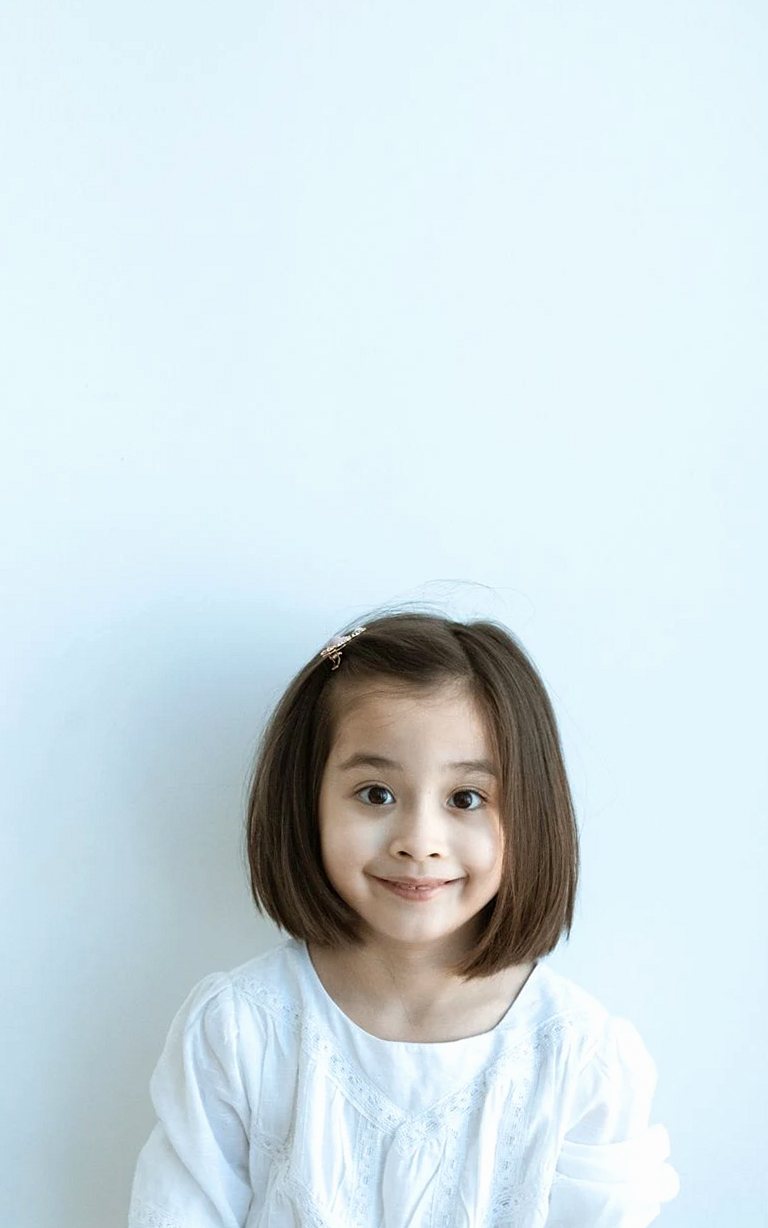
Most people arriving at a portrait session for the first time carry a version of the same anxiety: they are not sure what they are supposed to do, and they worry that uncertainty will show in the photographs. It is a reasonable concern, and one that dissolves quickly once the mechanics of the session are laid out plainly. A professional portrait session is a structured, unhurried event with a clear sequence that the photographer manages entirely. Understanding that sequence in advance is the single most useful thing a first-timer can do. This guide covers the session from initial contact through to gallery delivery, with enough practical detail to make the whole process feel familiar before it begins.
The consultation and what gets decided there
Every session begins with a consultation, usually a thirty-minute call or in-person meeting scheduled one to three weeks before the shoot date. The photographer uses this time to establish the purpose of the portraits — whether that is a family record, a professional headshot set, a milestone birthday, or a maternity session — and to match the visual approach to that purpose. Location, light quality, and session length are agreed here, not assumed.
The consultation is also when practical constraints surface. A family with young children will typically be steered toward a morning slot, when energy and patience are highest. Someone commissioning headshots for a professional profile will be asked about the platforms where the images will appear, because a square LinkedIn crop and a wide editorial layout require different framing decisions. These are not stylistic preferences being imposed; they are technical parameters being gathered so the session produces usable results.
By the end of the consultation, the client knows the exact address or meeting point, the session duration (commonly sixty to ninety minutes for individuals, up to two hours for families of four or more), the number of final edited images included in the package, and the expected delivery timeline. Any questions that arise between consultation and shoot date are handled by message, so nothing is left to be resolved on the day itself.
Clothing, colour, and what to bring on the day
The most consistently useful advice on clothing is to avoid stark white and very dark black when shooting outdoors in direct sun, because both compress the tonal range in ways that are difficult to recover in post-processing. Beyond that, the guiding principle is coherence across the frame rather than matching outfits. A family where everyone wears a different shade of navy, cream, or sage reads as coordinated without looking costumed.
For individual portraits, one change of clothing is a practical option if the session is ninety minutes or longer. Two outfits allow for a shift in register — a relaxed look and a more structured one — which gives the final gallery more range. Accessories matter more than most people expect: a watch, a jacket carried rather than worn, a scarf used loosely can all introduce texture and movement that a plain-coloured top cannot.
- Bring a small bag with blotting papers or a compact powder for shine, particularly for outdoor sessions in warm months
- Carry a lint roller if wearing dark fabric — pet hair and dust catch light
- Pack any meaningful props discussed during consultation: a book, an instrument, a child's favourite toy
- Wear comfortable shoes, even if they will not appear in the frame — comfort affects posture
- Arrive with hair and makeup already done; the session time is for photography, not preparation
How the session itself unfolds
The first ten to fifteen minutes of any portrait session are effectively a warm-up, and a photographer who knows their work schedules for this deliberately. The camera is present but not always raised. Conversation happens. If children are part of the session, they are given space to become comfortable with the environment before any direction begins. The images made during this period are rarely the strongest, and that is expected.
Direction during a portrait session is specific and physical rather than abstract. A photographer working in this discipline will adjust the angle of a shoulder, suggest a particular place to rest a hand, or ask someone to look toward a specific point of light. The instruction is always about geometry and light, not about performing an emotion. This is why the common instruction to 'just relax' is largely useless in practice, while 'turn your chin slightly toward the window' produces an immediate and measurable improvement.
Session length is not padding. Ninety minutes for a family of four accounts for the warm-up period, configuration changes between individual portraits and group compositions, at least one location or background change if the brief calls for it, and a buffer for the moment one child decides they are done. That buffer is real and necessary.
The session is a production with a running order, not an open invitation to improvise.
The gallery: delivery, selection, and what edited means
Edited images are delivered through a private online gallery, typically within two to three weeks of the session date. The gallery contains the agreed number of finished images — commonly twenty to forty for a standard session — selected by the photographer from a larger set of captures. The selection process removes technical failures (motion blur, closed eyes, unflattering transitional expressions) and then identifies the strongest frames for editing. Clients do not receive the full unedited set, and that is not an oversight.
Editing in portrait photography means colour grading, exposure correction, skin retouching to a degree agreed in advance, and occasionally background cleanup. It does not mean heavy compositing or the removal of permanent physical features unless that has been explicitly requested and priced. The difference between a lightly retouched image and a heavily processed one is significant and worth discussing during the consultation if it matters to the client.
Images are delivered at full resolution as JPEG files, suitable for print at sizes up to roughly 50x70 cm without quality loss. The gallery link remains active for thirty days, during which the client downloads the files. Print ordering, if offered, is handled through the same gallery interface. Most photographers in this field retain the copyright to the images and license usage to the client for personal and non-commercial purposes; commercial licensing is a separate arrangement with separate pricing.
Autumn and winter are consistently the busiest booking periods for portrait sessions, particularly October through December when families commission images ahead of the end-of-year holidays. Sessions booked during this window tend to fill three to six weeks in advance. Delivery timelines may extend slightly during peak periods, and photographers will note this at the time of booking.